

Attractions in Texas: where to start by trip type
A trip to Texas can mean swimming beneath a limestone cliff, floating through a mountain range, exploring a space center, or following a trail through a desert where the sky seems much larger than the horizon. The state covers enough distance that the most useful question is not simply “What is there to see?” but which places fit the time, route, and interests of your group. Attractions in Texas range from major cities with respected museums and music scenes to remote parks where getting to the overlook takes more planning than visiting the overlook itself.
This guide focuses on a practical selection of notable stops rather than attempting to list every event, restaurant, roadside attraction, or local landmark. It works best as a starting point for comparing regions and building a route. Most travelers do best with a small number of well-chosen destinations, a few flexible days, and enough time to adjust for weather, road closures, reservations, or simply wanting more time in one place.
Before you lock down the itinerary, decide how much of the state you can realistically cover. A week spent moving between San Antonio, Austin, and the Hill Country offers a manageable introduction. A broader trip might combine Dallas and Fort Worth with the Gulf Coast. Road travelers can link the major cities with Big Bend or West Texas, but distances are substantial. Texas is large, and treating every stop as if it were close by is one of the easiest ways to lose hours behind the wheel.
How to choose Texas sights by region and travel style
Start with geography. Texas has no single tourism corridor, and the distance between some famous destinations can exceed the drive between major cities in much smaller states. Weather also changes by region. The Hill Country can become hot and humid during summer, West Texas is intense under direct sun, and Gulf Coast weather introduces its own schedule of rain, wind, and heat. Choosing a region before choosing individual stops will prevent an itinerary that looks diverse on paper but feels like constant transit.
| Region | Best experiences | Typical travel style | Main consideration |
|---|---|---|---|
| Austin and Central Texas | Live music, museums, spring-fed swimming, lakes, food, and nearby Hill Country scenery | City break with day trips | Traffic and weekend accommodation demand can be significant |
| San Antonio and the Hill Country | Mission history, riverside dining, caverns, small towns, wineries, and scenic drives | Culture plus scenic road trip | Distances look short on a map but can extend once stops are added |
| West Texas | Desert landscapes, national parks, hot springs, small-town history, and dark skies | Road trip focused on scenery | Long drives, limited services, heat, and occasional cell coverage gaps |
| Dallas and Fort Worth | Museums, entertainment districts, sports, restaurants, and urban architecture | Urban itinerary | The cities are neighboring but distinct and require local travel |
| Houston and the Gulf Coast | Museums, space and science, coastal scenery, historic districts, and beaches | Culture, family activities, or beach trip | Humid weather and coastal conditions can affect plans |
Your preferred pace matters just as much as your region. Families often benefit from places where children can walk, swim, observe animals, or explore interactive exhibits. History travelers may prefer the Alamo, historic San Antonio streets, Fort Worth, and the museums of Houston and Dallas. Outdoor travelers may be happier with Big Bend, Palo Duro Canyon, Enchanted Rock, or the Guadalupe River area. Music and food visitors may want to spend an entire day in Austin without adding a distant excursion.
Choose one or two primary interests and make the other stops optional. Trying to fit a major state park, two large cities, a beach day, and several major museums into four days creates a route dominated by travel. A cleaner plan gives each area a defined purpose. For example, a six-day trip might assign one day to central San Antonio, two days to the Hill Country, one day for Austin, and the final day for whatever the group most wants to see.
- For a first visit: focus on one major city and one contrasting landscape rather than crossing the entire state.
- For a road trip: choose two anchor cities and add no more than three scenic or cultural stops between them.
- For families: balance active experiences with indoor attractions, rest stops, and flexible weather alternatives.
- For limited mobility: verify walking distances, parking access, elevators, and the availability of accessible transportation before booking.
- For natural attractions: confirm seasonal access, water conditions, trail status, and heat precautions with official park sources.
Major attractions worth building into a Texas itinerary
The strongest Texas itineraries combine a recognizable landmark with smaller places that reveal a more specific part of the state. Trying to see every major sight in one trip is neither necessary nor enjoyable. Start with the experiences that best match the reason for visiting, then build a route around them.
- The Alamo in San Antonio is essential for many first-time visitors because it introduces the city’s Spanish colonial history and the difficult events surrounding the 1836 siege. The surrounding San Antonio Missions are part of a broader network of historic sites, but the central Alamo area is usually the most familiar starting point.
- Big Bend National Park rewards travelers who value dramatic scenery and time outdoors. Chisos Mountains, desert valleys, river country, and long scenic drives define the experience. The park should not be treated as a quick viewpoint stop; distances between facilities can be meaningful.
- The Space Center Houston offers an accessible introduction to human spaceflight, spacecraft, and the working history of the space program. Its appeal is not limited to families with children.
- The Museum District in Houston brings several major cultural institutions into one concentrated area. Combining two museums in a day is often more rewarding than crossing Houston for a single short visit.
- Dallas and Fort Worth provide two distinct urban experiences. Dallas emphasizes big-city culture, architecture, shopping, and entertainment, while Fort Worth presents a more western-centered identity around the Stockyards and historic entertainment districts.
- Austin supports a trip based on live music, food, museums, lakes, and the nearby Hill Country. Its central attractions are varied enough for a weekend, while Barton Springs and Zilker Metropolitan Park add an outdoor dimension close to the city.
- Palo Duro Canyon State Park is one of the most dramatic scenic areas in the Texas Panhandle. The canyon rim and deeper canyon trails require time, suitable footwear, and attention to heat and weather.
- Galveston and the upper Texas Coast suit travelers looking for historic architecture, beach time, and a change of scenery from inland cities. Coastal trips work best when the traveler leaves room for weather and for exploring beyond a single stretch of sand.
These highlights are not interchangeable. Big Bend demands more driving and planning than a museum day in Houston. San Antonio rewards history-focused travelers, while the coast works for travelers who want salt air, beaches, and a slower rhythm. Galveston and the upper Texas Coast suit travelers looking for historic architecture, beach time, and a change of scenery from inland cities. Coastal trips work best when the traveler leaves room for weather and for exploring beyond a single stretch of sand.
Attractions in Texas are often improved when the surrounding area is included. A visit to Big Bend can extend into the Davis Mountains or nearby small towns. A San Antonio itinerary can include the Hill Country without becoming a checklist of distant landmarks. Austin makes a natural base for Barton Springs, the Colorado River, and western Hill Country scenery. Even a city break becomes more memorable when a few hours are reserved for the landscape beyond the city limits.
Austin highlights: music, museums, spring-fed pools, and nearby nature
Austin is often described through live music, barbecue, tacos, and a distinctive city culture, but its strongest visitor attractions are more varied than that shorthand suggests. Central Austin includes major museums, performance venues, historic streets, green spaces, and easy access to water. Nearby natural areas extend the options considerably.
The city’s swimming and outdoor attractions deserve particular attention. Barton Springs Pool, within Zilker Metropolitan Park, is a spring-fed pool used for swimming and recreation. It also sits within one of the city’s busiest public parks, so atmosphere and crowd levels can matter as much as the water itself. The surrounding trails and open spaces make sense as a full outing rather than a quick dip. Pool access, fees, closures, and water conditions can change, so check current information before relying on a fixed plan.
For cultural visits, the Blanton Museum of Art and the Emma S Barrientos Mexican American Cultural Center provide different perspectives. The Blanton is associated with modern and contemporary art and includes the immersive Ellsworth Kelly building, while the Emma S Barrientos center focuses on Mexican American arts, heritage, exhibitions, and performance. A visitor interested in one collection may find the other equally compelling.
Austin’s live-music calendar is one of its defining attractions, but it is also a reason to avoid overplanning. Some venues are easy to find, while others require more research or a local recommendation. The For additional context, BBC weekend guide to Austin highlights the city’s barbecue, breakfast tacos, museums, Barton Springs, and several established music venues, offering a useful illustration of how culture, food, and recreation can fit into one city break.
Food deserves its own place in the itinerary rather than being treated as an unplanned gap between attractions. Breakfast tacos are closely associated with Austin, and barbecue is important across central and eastern Texas. At the same time, a food-focused trip can include Lockhart, approximately half an hour away from Austin, where barbecue traditions are a major reason to visit. That adds a worthwhile day trip, but it also demonstrates why distances should be calculated before adding another stop.
Austin is strongest as a base with two nights or more. One full day can cover museums and downtown streets, another can combine Barton Springs with a nearby park or shopping area, and an evening can be reserved for live music. Families can substitute museums, playgrounds, and longer meals. Visitors primarily interested in a single activity, such as a major concert or a Formula One event, should build the rest of the trip around that event rather than assuming the standard sightseeing schedule will remain convenient.
- Morning: visit a museum or historic district before the busiest part of the day.
- Midday: eat, rest, and account for summer heat with a longer indoor break.
- Afternoon: use Barton Springs, Lady Bird Lake, or another green-space destination.
- Evening: choose one performance area or music district rather than moving among several.
San Antonio and the Hill Country: history, rivers, caverns, and scenic roads
San Antonio provides a strong combination of historic landmarks, dining, and outdoor recreation. The Alamo is the essential starting point, but the city also contains a dense historic core, the San Antonio River, theaters, museums, and neighborhoods where Spanish colonial architecture remains visible. Because the central attractions are close enough to walk in many cases, a visit can work well without a car for one day.
The broader San Antonio Missions are historically important, but visiting each as a separate short stop may be less useful than understanding how the sites relate to one another. Whether you use a guided tour, a trolley, or a driving route, allow time for the quieter surroundings that explain the missions’ original geography as much as the buildings themselves.
Outside the city, the Hill Country introduces another side of Texas. Roads pass through wooded hills, rocky streams, small towns, ranches, orchards, and limestone formations. Natural Bridge Caverns near New Braunfels is a commonly visited stop, while the Guadalupe River area supports boating, swimming, and riverside stays at appropriate times of year. The river’s conditions and access rules vary, and summer recreation can be affected by heat and water levels, so official updates matter.
Other Hill Country towns offer more than a photograph. Fredericksburg adds German heritage, restaurants, and nearby vineyards. Boerne has a compact downtown and access to surrounding waterways. Bandera is associated with its Western identity and the Hill Country, while Luckenbach provides a small-town setting with a very different pace from the larger cities. Choose no more than one or two towns unless you are deliberately making a slow regional loop.
| Base | Best nearby pairing | Why the combination works | Planning note |
|---|---|---|---|
| San Antonio | Alamo, river walk, mission history | History, architecture, food, and an easy urban day | Parking and busy periods can complicate a tight schedule |
| San Antonio and New Braunfels | Hill Country, caverns, and river recreation | Mixes urban sightseeing with an active nature day | Check river conditions and heat before water activities |
| Fredericksburg | Town heritage and Hill Country drives | Suits a slower itinerary centered on food and scenery | Reserve lodging and avoid overloading the day with distant stops |
| Austin | Barton Springs, music, and western Hill Country | Combines a lively city base with outdoor recreation | Weekends around the city and lake can be busy |
The most useful Hill Country route is the one that allows you to stop without treating every stop as a deadline. Pick a direction based on your accommodation and the larger trip. A loop from San Antonio through New Braunfels, Fredericksburg, and back may fit travelers who want varied scenery. A base in one town is better for travelers who value comfort, short outings, and the ability to change plans during hot weather.
West Texas: canyon scenery, national parks, hot springs, and long horizons
West Texas demands more preparation than many visitors expect. The reward is a sense of space, striking geology, and landscapes that look unlike the greener parts of the state. The inconvenience is that many celebrated destinations are separated by long drives and offer fewer services than major cities. A fuel stop, water supply, and offline map can be more important than another attraction reservation.
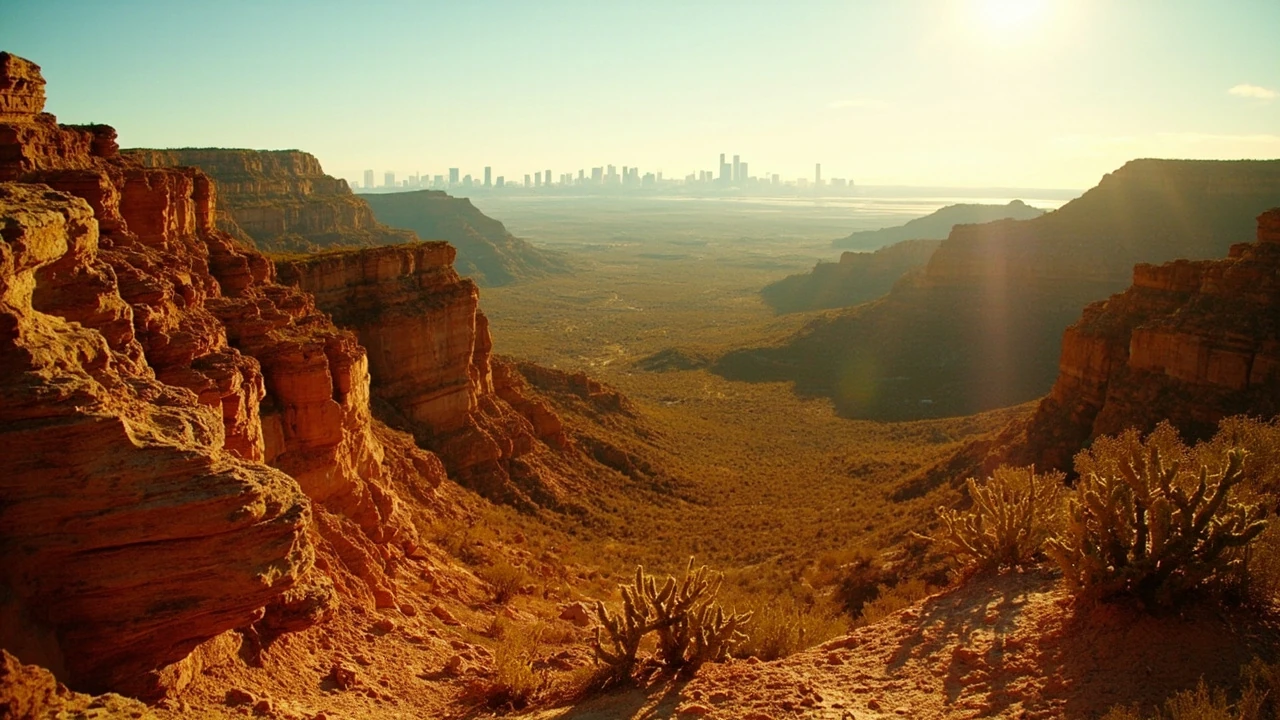
Big Bend National Park is the defining destination. Its scenic areas are separated by roads that follow the park’s terrain, and popular overlooks can involve substantial walking or steep grades. The Chisos Mountains and the dramatic transition between forested highlands and desert country make the landscape especially varied. Hiking, paddling, and stargazing are major attractions, but each requires preparation for sun, remoteness, and changing conditions.
West Texas also includes small towns with their own histories and visitor appeal. Fort Davis is a useful base near Davis Mountains National Park, with high elevation, cooler conditions in some seasons, and scenic drives. Alpine has an understated mountain-town character. Marathon offers another gateway to Big Bend and the surrounding region. Presidio, Fort Stockton, and other communities can reward travelers who are willing to slow down rather than rush toward the next famous park.
Big Bend National Park and Fort Davis serve different travel styles. Big Bend is the stronger choice for dramatic scenery, hiking, and a full outdoor itinerary. Fort Davis suits travelers who prefer a high-country base, historic buildings, mountain views, and a more measured pace. Trying to cover both in a short trip can consume much of the time in the car.
- Carry more water than expected: desert conditions can make a short walk physically demanding.
- Download maps: cell coverage should not be treated as dependable.
- Start long drives early: this leaves more margin for unexpected stops and heat.
- Keep one weather day flexible: park roads and trails can be affected by storms, flooding, or seasonal conditions.
- Separate destinations from viewpoints: a scenic overlook may take longer to reach than the map suggests.
Palo Duro Canyon State Park offers a contrasting Texas landscape near Canyon, in the Panhandle. The “Grand Canyon of Texas” rises sharply from the surrounding plains, with rim trails and deeper routes that reveal different levels of the canyon. This is a separate destination from Big Bend rather than a stop to add casually. Both demand water, suitable footwear, and respect for weather.
For travelers with limited time, a guided scenic tour may offer more context and fewer navigation decisions than attempting to reach several remote points independently. For independent travelers, a single well-selected base can be more rewarding than a fast route between distant highlights. The key is to accept that West Texas rewards fewer stops, more time, and a willingness to let the landscape occupy a substantial part of the day.
Houston, Dallas, Fort Worth, and the Gulf Coast
Texas’s urban attractions often divide neatly into cities with separate identities. Dallas has a high-energy center, respected arts institutions, distinctive neighborhoods, and major entertainment and sports venues. Fort Worth celebrates western and ranch history while also offering significant museums and a compact entertainment area. Travelers looking for two cities in one trip should treat them as neighboring but separate destinations rather than assume one is simply a suburb of the other.
The Dallas Arts District concentrates several major cultural institutions within a relatively compact area. The city also provides extensive food, music, architecture, and sports options. In Fort Worth, the Stockyards area provides a clear historical theme around livestock, rail, and cowboy culture, while the downtown cultural district includes major museums. The South Japan travel overview illustrates a useful parallel for city-hopping travelers: a region divided into distinct areas can be more rewarding when each place is given its own identity rather than treated as interchangeable scenery.
Houston combines a large metropolitan area with major cultural and scientific institutions. The Museum District is the central cluster for art, science, history, and nature-focused visits. The Johnson Space Center provides a deeper connection to spaceflight history and operations. Houston also has a dynamic food scene, but the city’s size means that travel time between the downtown area, museums, and neighborhoods can be substantial.
The Gulf Coast adds beaches, historic districts, and maritime scenery. Galveston has a concentrated historic downtown, restored architecture, coastal attractions, and access to the water. Padre Island National Seashore protects a long stretch of coast and barrier island environment. These are not interchangeable beach stops: Galveston suits travelers who want history and urban proximity, while Padre Island favors beaches, dunes, wildlife, and longer stretches of open coastal space.
| Destination | Strongest appeal | Best time to focus the visit | Common mistake |
|---|---|---|---|
| Dallas | Arts, architecture, food, sports, and entertainment | One full urban day | Adding Fort Worth as a quick add-on late in the day |
| Fort Worth | Western history, Stockyards, museums, and entertainment | A separate half-day or full day | Reducing the city to the Stockyards alone |
| Houston | Museums, space history, food, and diverse neighborhoods | At least two days for major institutions | Underestimating travel across the metro area |
| Galveston | Historic streets, coastal scenery, and beach time | A day trip or overnight stay | Scheduling the island and distant beaches in one afternoon |
| Padre Island | Long beaches, dunes, wildlife, and open space | A full or partial beach day | Expecting the same mix of services as a large city |
How to turn major sights into a workable Texas itinerary
A strong itinerary assigns a purpose to every destination. It also protects time for meals, parking, orientation, and the unexpected. Texas distances are easy to underestimate because cities appear fairly close on a small map. Once a drive includes a scenic route, fuel stop, lunch, and a one-hour attraction, the day can become much longer than expected.
| Trip length | Suggested structure | Best interests |
|---|---|---|
| 3 days | One major city plus one nearby natural or historic area | First visit, museums, food, and an easy introduction |
| 5–6 days | Two cities or one city with a two-day regional excursion | Culture, food, family activities, and scenic drives |
| 7–9 days | Two to three regions with a clear east, central, or west orientation | Mixed interests and road-trip travel |
| 10 days or more | Three or more bases with fewer long day trips | National parks, extensive city stops, and a slower pace |
For a first week, a central Texas route works well: spend time in San Antonio, travel into the Hill Country, and finish in Austin. It provides history, scenery, food, live music, and outdoor recreation without requiring a full-state crossing. A northern route could pair Dallas and Fort Worth with a separate day in the Panhandle, but travelers should protect the long driving day rather than filling it with additional attractions.
A coastal itinerary can be centered on Houston and Galveston, with a beach-focused extension toward Padre Island. This arrangement makes sense for travelers interested in museums, space history, food, architecture, and the coast. It is less suitable for someone whose main goal is remote scenery, because the Gulf Coast does not provide the same experience as Big Bend or the Davis Mountains.
West Texas deserves a separate trip rather than becoming the final rushed segment of a statewide tour. Give it a base, build in two full outdoor days, and keep at least one day flexible. If time is limited, choose one park and learn it well. That is usually more satisfying than collecting distant viewpoints at a pace that prevents meaningful stops.
- Before booking: confirm the attraction’s current operating status, reservation rules, accessibility information, and official alerts.
- Before driving: check weather, road conditions, fuel range, and the realistic driving time between the final stop and overnight accommodation.
- On hot days: shift strenuous outdoor activity to early morning, schedule midday for indoor attractions, and carry water.
- With children: alternate active and seated experiences rather than planning an all-day museum sequence.
- On tight budgets: choose neighborhoods and regional day trips that reduce tolls, fuel consumption, and unnecessary overnight stops.
Seasonal events can reshape a trip, but they should not dictate the entire visit unless the event is the reason you are coming. Music festivals, racing weekends, major conferences, and holiday periods may bring crowds, lodging pressure, and road congestion. If you travel around a large event, you may get a calmer experience, yet local services may operate on unfamiliar schedules. Check both attraction and event information before assuming a neighborhood will be operating normally.
For inspiration on how distinct landscapes shape travel decisions, Costa Rica’s nature-centered landmarks provide a complementary example of why natural settings deserve dedicated time. The comparison is not about matching Texas to Costa Rica, but about recognizing that a meaningful landscape visit needs more than a brief stop.
Frequently asked questions
What are the best-known attractions in Texas for a first visit?
The Alamo, Austin’s music and museum scene, the Space Center Houston, Big Bend National Park, and the Dallas–Fort Worth area are among the most recognizable choices. The right combination depends on how much time you have. A first-time visitor who wants an easy introduction may stay in one or two cities, while a road traveler can combine San Antonio, the Hill Country, and Austin.
Which Texas destinations work best for a family vacation?
Houston’s museums and Space Center Houston, Barton Springs and Zilker in Austin, San Antonio’s Alamo and river area, and Gulf Coast beaches are often strong family choices. The most useful plan mixes active experiences with indoor stops and keeps travel sessions short. For children who enjoy animals and outdoor exploration, carefully timed visits to accredited zoos or wildlife facilities can also provide a change of pace, although reservations and seasonal conditions should be checked.
Is Big Bend National Park worth a full day?
Yes, if the park is a major purpose of your trip. Roads curve around mountainous terrain, and travel between scenic areas takes longer than a basic map may suggest. One full day can work for a focused visit, but two days provide more room for hiking, scenic overlooks, wildlife, and changing weather. Bring water, download offline maps, and avoid treating the park as a quick photo stop.
What is the best time of year to visit Texas?
The answer varies by region and activity. Spring and fall often offer comfortable conditions for many outdoor attractions, while winter suits travelers seeking milder weather. Summer can be excellent for swimming and evening activities but may be intense for hiking, desert travel, and outdoor sightseeing. Coastal conditions also vary. Check the forecast and official attraction alerts for the specific dates of your visit rather than relying on a statewide label.
Can attractions in Texas be visited comfortably without a car?
Austin, Houston, San Antonio, Dallas, and Fort Worth all offer substantial urban sightseeing without a car, although their attractions are spread across large areas. Public transportation, walking, and rideshare can support a city-focused trip. A rental car becomes more useful for the Hill Country, Big Bend, Palo Duro Canyon, beaches, and other regional destinations. Choose the transportation method based on whether your itinerary is urban or spread across several areas.
How many days are needed to see Texas?
Three days are enough for one major region, five to nine days allow a meaningful multi-area trip, and ten days or more make a broader itinerary less rushed. Even with more time, it is rarely possible to see every attraction. Select two or three anchor destinations and build shorter excursions around them. This produces a better trip than adding distant stops that consume most of the time in transit.
Should I visit Austin and San Antonio on the same trip?
Yes, especially for a first visit. They provide contrasting experiences and form a useful central Texas pairing. San Antonio emphasizes mission history and a compact historic center, while Austin is more associated with live music, lakes, museums, and a contemporary urban culture. The Hill Country lies between them and can become part of the route rather than a separate detour. Staying at least two nights in each city is more comfortable than switching lodging every day.
What should I pack for a Texas road trip?
Pack for both strong sun and changing temperatures. Sunscreen, a hat, reusable water containers, comfortable footwear, and a light layer for air-conditioned buildings are useful basics. Add suitable clothing for water activities, rain, or cool desert evenings when relevant. For remote areas, keep the vehicle supplied with fuel, download offline maps, and carry emergency supplies rather than relying on continuous cell coverage.
Are Texas attractions suitable for travelers with limited mobility?
Many major attractions provide accessible options, but conditions vary by building, trail, venue, and event. Large museums generally offer more predictable routes and seating than natural areas with uneven ground. Historic sites can include cobblestones, steps, or limited restroom access. Contact the attraction directly when you need information about a wheelchair, mobility device, elevator, accessible parking, or a specific route. This helps avoid arriving with an itinerary that does not match your needs.
What is the best Texas road trip for scenery rather than major cities?
A central or western loop is usually more rewarding for scenery. Travelers can combine Big Bend with the Davis Mountains and selected small towns, while allowing more time in Palo Duro Canyon and the Panhandle. Build the trip around two or three bases rather than a string of distant stops. The ideal route depends on whether you prefer desert canyons, high-country scenery, river valleys, or a mixture of landscapes.



Leave a Reply