
Places to see in Texas: the best stops for a first trip
Texas is too large for a shortlist of landmarks alone to capture what makes the state worth exploring. A visitor might spend one morning among the limestone cliffs of Big Bend, cross the state for a music festival or museum in Austin, then finish beside the Gulf of Mexico in Galveston. The right route depends less on a list of famous names than on whether you want dramatic scenery, history, food, family activities, or a manageable drive between stops.
The most useful places to see in Texas offer a clear reason to go and a practical experience once you arrive. Some are easygoing day trips, while others deserve an overnight stay. This guide groups the state’s major attractions by travel style, explains where they fit geographically, and highlights the details that can shape a successful visit.
Weather, distance, and seasonal conditions matter more here than they do in many compact destinations. A park that is pleasant in April may be exposed to summer heat, while a beach trip can be affected by coastal weather. Start with the kind of experience you want, then build a route that respects travel time.
How to choose the right Texas destinations
Texas contains desert, Gulf beaches, pine forests, rolling hill country, major cities, and old mining towns. Trying to cover every region in one trip often means spending most of the journey in a car. Choosing two or three regions is usually more rewarding than creating a list of ten stops with little time to enjoy them.
| Travel priority | Best destinations to consider | What this route emphasizes | Planning consideration |
|---|---|---|---|
| Iconic landmarks | San Antonio, Austin, and Dallas | Major cities, historic districts, museums, food, and entertainment | These stops are relatively easy to combine, although distances between them are substantial |
| Desert and mountain scenery | Big Bend National Park and Davis Mountains | Sunrise views, hiking, wildlife, dark skies, and dramatic geology | Allow more driving and check current park conditions before entering remote areas |
| Beach and family time | Galveston, South Padre Island, and the Gulf Coast | Coastal walks, beaches, historic sites, and simple resort days | Seasonal weather, surf conditions, and vehicle restrictions can affect plans |
| Small towns and road trips | Fredericksburg, Marfa, and the Texas Hill Country | Independent shops, food, scenery, and slower travel | Weekends can bring heavier traffic, especially between major cities and popular destinations |
| History | San Antonio, Galveston, and Fort Worth | Spanish colonial sites, maritime history, and the American West | Many attractions are best understood with a little local context |
A useful decision is to pick one anchor city for lodging before adding day trips. San Antonio works well for missions, theme parks, and Hill Country side trips. Austin suits live music, food, and lake or countryside outings. Houston provides a large collection of museums and restaurants, plus convenient access to Galveston. Dallas and Fort Worth work together for urban attractions and heritage districts.
Also separate must-see places from optional stops. A mission site, major museum, or national park may justify a longer stay. A viewpoint or small-town square works well as a brief pause. This prevents an ambitious itinerary from turning into a checklist in which every stop feels rushed.
- First visit: Choose San Antonio for history and atmosphere, Austin for food and music, and one scenic destination such as Big Bend or the Hill Country.
- Family itinerary: Balance outdoor time with museums, swimming, beaches, and wildlife viewing.
- Photography trip: Allow several days for Big Bend, the Davis Mountains, or the coast rather than trying to reach them in a single loop.
- Long road trip: Add smaller destinations such as Fredericksburg, Marfa, or Fort Davis, but calculate fuel and daylight driving time.
- Food-focused weekend: Concentrate on one city or region instead of crossing Texas for every possible stop.
Big Bend, San Antonio, and Austin for a first Texas itinerary
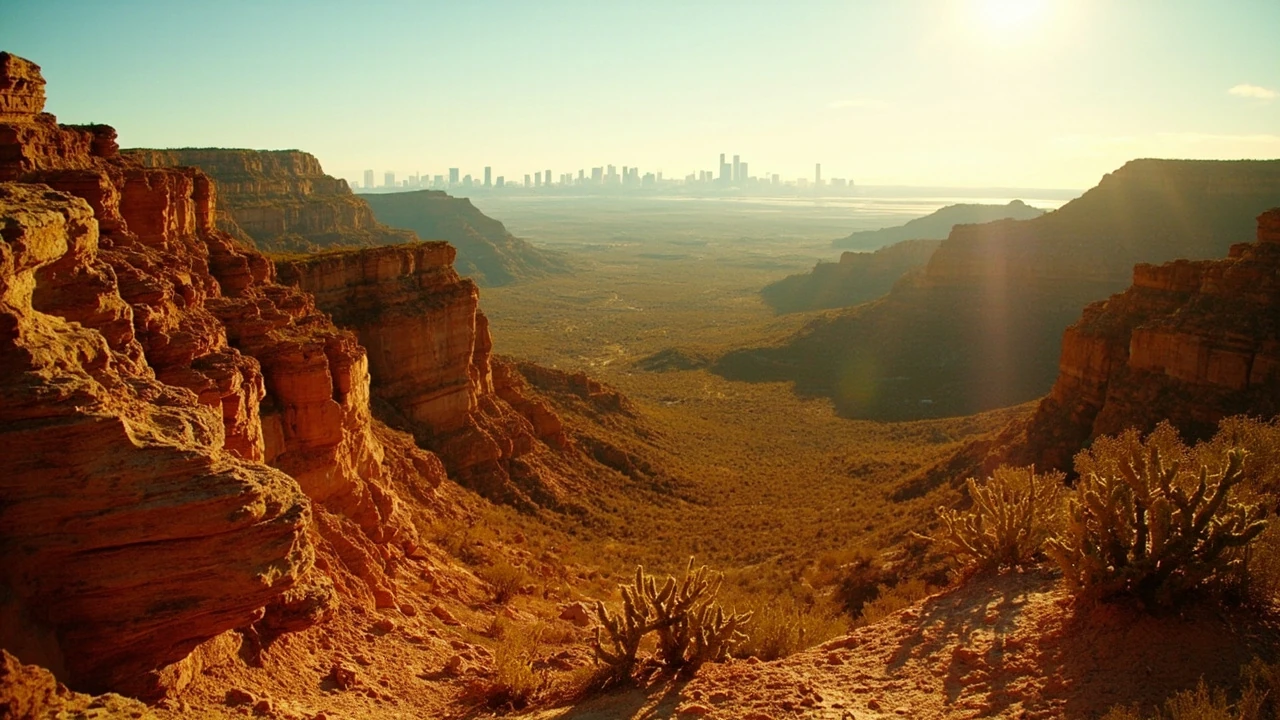
Big Bend National Park is often the clearest choice for travelers who want scenery rather than another urban itinerary. Its dramatic canyon country, desert vegetation, and dark night skies give the visit a distinct sense of place. The park is large, and its main paved routes can still involve long distances between trailheads and overlooks. Visitors should avoid trying to cover the entire park in a day.
Choose the areas that match your interests rather than collecting every point on a map. The Chisos Basin offers mountain views and access to popular trails, while the Rio Grande area draws attention to river landscapes and historic sites. Other areas provide long-distance views, wildlife habitat, and shorter walks. Temperature rises quickly in the desert, so carrying additional water and respecting posted warnings are more than optional.
San Antonio has a different appeal. Its central historic area brings together Spanish colonial missions, the River Walk, and a concentration of museums, restaurants, and performance venues. The Missions National Historical Park includes several distinct sites spread around the city, so transportation and admission arrangements deserve attention before a visitor starts. Downtown is convenient for a first stay, but the wider city includes neighborhoods worth exploring beyond the tourist core.
Austin is best known for live music, but its appeal extends well beyond music venues. Barton Springs, green spaces around the Colorado River, the university area, and independent food districts give travelers several ways to spend a day. The surrounding Hill Country also opens up possibilities for swimming, caves, hot springs, and small towns. Because the city can produce a long list of options, it helps to reserve blocks of time instead of filling every available hour.
- Give Big Bend at least one full day. A quick entrance-road visit may reveal attractive views, but it does not represent the park’s full range of landscapes.
- Pair San Antonio with one or two missions. Choose the sites that match your interest in colonial history, religious architecture, or the city’s development.
- Build Austin around neighborhoods. A day centered on the river and outdoor spaces can be complemented by an evening in the live-music district.
- Watch the calendar. Large events and holiday periods may influence hotel demand, road congestion, and parking conditions.
These three destinations can work together, but the full drive is not simply a straight line. A sensible route uses one as a primary base and treats the others as a substantial excursion or separate section of the trip. Travelers who want a concise introduction should usually pick two, not three.
Big Bend and the Davis Mountains for scenery and stargazing
West Texas is where the state’s distance becomes most visible. Long roads connect small communities, open land, dry riverbeds, and mountain ranges that appear abruptly on the horizon. This region rewards travelers who have time to slow down and look beyond the main roadside viewpoint.
The Davis Mountains, including the area around Fort Davis and Alpine, offer a high-country counterpoint to Big Bend’s desert. Fort Davis is a useful base because it provides access to nearby scenery and sits within a landscape of peaks, high plains, and historic military sites. McDonald Observatory, operated by the University of Texas at Austin, is one of the region’s best-known stargazing destinations. Its visitor programs and observing activities have schedules and operating arrangements, so travelers should consult current official information before visiting.
For travelers interested in a more complete route, Marfa adds contemporary art, distinctive lodging, and access to the surrounding desert. The town is often associated with the same wide skies that draw people farther west, but it also works as a stop for museum visits, galleries, restaurants, and a change of pace. Marfa and Fort Davis should not be treated as interchangeable: one emphasizes art and services, while the other provides a stronger connection to the surrounding high-country landscape and observatory.
Desert travel also changes the way visitors should prepare. Summer heat can make even a moderate walk uncomfortable around midday. Roadside services become more widely spaced, mobile coverage may be inconsistent, and some roads are more suitable for certain vehicles than others. A paper map, extra water, a full fuel tank, and a realistic schedule offer more protection than relying on a single navigation device.
| Destination | Best reason to go | Ideal stay | Watch for |
|---|---|---|---|
| Big Bend National Park | Canyon scenery, hiking, wildlife, and dark skies | One or more full days | Heat, long distances, limited services, and changing park conditions |
| Fort Davis | Mountain landscapes, historic sites, and observatory programs | One night or longer | High elevation weather and seasonal program availability |
| Marfa | Contemporary art, desert scenery, and independent restaurants | One night for art focus, longer for slow travel | Limited major services and considerable distances between towns |
| Alpine | Small-town atmosphere and access to the surrounding region | A stopover while exploring the mountains | Fewer attractions than larger destinations, so plan activities in advance |
Stargazing does not require a major observatory visit. A clear night in a rural area can be memorable, but visitors should understand the difference between a view from a public area and an organized observing session. Responsible viewing requires arriving prepared, following site rules, and avoiding unnecessary headlight use when other visitors are present.
Galveston, South Padre Island, and the Gulf Coast
The Texas Gulf Coast offers a change of scenery from the inland state. Galveston combines a historic urban shoreline with beaches and museums, while South Padre Island is built around a long beachfront and a more compact resort atmosphere. Between them, the coast provides opportunities for maritime history, fishing, boating, and time near the water.
Galveston is the stronger choice for history. Its historic district includes architecture associated with the island’s development as a major port, along with museums and cultural institutions. The strand and waterfront provide a clear reason to visit even without a long museum schedule. The island also illustrates a practical aspect of coastal travel: storms, flooding, and road conditions can affect access, so travelers should monitor official weather and transportation information.
South Padre Island is easier to approach as a beach-focused destination. It works well for families, groups seeking ocean recreation, and travelers who want to spend most of their time near the shoreline rather than touring many attractions. Seasonal surf, water conditions, and the possibility of temporary restrictions mean that beach activities should be planned around current local guidance.
For a practical coastal itinerary, Galveston makes a sensible first stop because it offers more history and a broader range of activities. A day trip to South Padre can then be added if the group wants more beach time. Trying to base an entire visit in both can produce unnecessary backtracking.
- History-focused: Spend the main part of the day in Galveston exploring the historic district and relevant museums.
- Beach-focused: Make South Padre Island the priority and limit the itinerary to beach time, lodging, and a relaxed evening.
- Family compromise: Combine Galveston’s strand and museums with a shorter beach outing near South Padre.
- Photography trip: Visit at different times of day, including the softer coastal light before sunset and after sunrise.
Galveston also works well as a short extension of a Houston trip. The larger city has museums, restaurants, and a broad range of indoor activities, while the island adds ocean scenery and historic character. Checking current conditions is especially important when severe coastal weather is possible.
Fredericksburg, Marfa, and small towns worth slowing down for
Small-town destinations can make a Texas road trip feel more varied than a route made only of major cities. Fredericksburg offers a compact combination of German-influenced history, independent restaurants, wineries, and nearby natural scenery. It sits close enough to Austin and San Antonio to work as a side trip, although it becomes a different experience when visited as part of a longer Hill Country route.
Fredericksburg’s central historic area is walkable, but the surrounding region rewards a little more time. wineries, orchards, caves, and roads through rolling terrain are common visitor experiences. Some destinations operate by appointment or maintain limited schedules, particularly on weekdays and outside peak visitor periods. The official website for each attraction is the best source for current hours, reservations, and accessibility information.
Marfa offers a distinct small-town experience centered on visual art and desert surroundings. Galleries, museums, public art, and performance spaces have made it a significant creative destination. That reputation can make Marfa seem primarily geared toward art, yet the town also functions as a practical stop for travelers moving through the Big Bend region.
Other small communities can enrich a route without becoming major checklist items. Llano offers another Hill Country stop, while San Angelo sits near the western edge of the region and provides access to the Concho River and surrounding landscapes. Farther west, Presidio and other border communities tell a different part of the Texas story. The value lies in allowing enough time to walk, eat, and see how the community presents itself rather than treating every stop as a photo opportunity.
| Town or area | Travel style | Best time to linger | Pair with |
|---|---|---|---|
| Fredericksburg | Food, history, and Hill Country scenery | A full day or overnight stay | San Antonio, Austin, or Luckenbach |
| Marfa | Art, desert landscapes, and slow travel | At least one evening and the next morning | Big Bend or Davis Mountains |
| Llano | Local history and an uncomplicated Hill Country stop | A few hours | Fredericksburg and nearby parks |
| San Angelo | Waterfront recreation and West Texas culture | An overnight stop | Big Bend, Alpine, or Fort Davis |
Small towns are especially valuable for travelers who dislike tightly scheduled itineraries. Leave some space in the afternoon for a cafe, a local museum, or a walk along a main street. The result is often more memorable than adding another distant attraction to a list.
Houston, Dallas, Fort Worth, and San Antonio compared
Texas’s largest cities are not interchangeable. Houston has the strongest identity as a sprawling, multicultural metropolis with major museums, dining, and a connection to the Gulf Coast. Dallas offers polished cultural institutions, sports, shopping, and an extensive dining scene. Fort Worth has a more compact western and cowboy identity, while San Antonio combines historic missions with family attractions and a lively river district.
Houston deserves particular attention because its size can make first-time visitors underestimate how much there is to do. The Museum District concentrates major cultural attractions, while neighborhoods such as Montrose, The Heights, and downtown Houston offer distinct food and nightlife experiences. A visitor spending only a few hours risks seeing very little. At least two full days are more appropriate if the city is a major part of the trip.
One less obvious stopping point in the Houston area is Meadows Place, a small city within the Houston metropolitan region. Its city history is closely connected to its development and incorporation, while its recreation offerings include parks, a discovery and nature center, trails, sports facilities, and a lake used for fishing, hiking, and birdwatching. Visitors interested in a compact suburban stop can review the city’s Meadows Place parks and recreation options before deciding whether the location suits their route.
Dallas and Fort Worth are often discussed as one destination because they sit in the same metropolitan area. Their central areas, however, offer different experiences. Dallas has larger museum complexes, major performing arts venues, and a recognizable sports culture. Fort Worth is more strongly associated with the historic Stockyards, equestrian culture, and western-themed attractions. Travelers with limited time can stay downtown and make a day trip between the two, but using separate neighborhoods as bases gives each city more attention.
- Choose Houston for: Broad museum options, diverse food, sports, and an easy extension to Galveston.
- Choose Dallas for: Major arts institutions, shopping, dining, and a large concentration of hotel options.
- Choose Fort Worth for: Western history, the Stockyards, and a more compact heritage-focused visit.
- Choose San Antonio for: Spanish colonial history, the River Walk, family attractions, and Hill Country access.
None of these cities needs to be judged by the size of its skyline. Their practical advantage is the variety of indoor activities, dining, and transport options they provide when weather is poor or when a traveler wants a break from long drives.
How to build a Texas road trip without making it exhausting
The shape of the road trip matters more than the number of stops. Texas distances can look manageable on a map and still consume a full day behind the wheel. Before committing to an itinerary, add realistic driving time between each stop and identify the hours that will actually remain for sightseeing.
A two-week trip can accommodate several regions, while a four-day visit is usually better with one main area. For the first week of a longer journey, travelers might pair San Antonio with the Hill Country before heading west toward Big Bend. They could then continue to the Davis Mountains and Marfa rather than repeatedly crossing the state. Returning through Fort Davis and Alpine can create a more coherent loop than traveling out and back on the same roads.
An eastern route offers a different balance. Houston, Galveston, and South Padre Island fit naturally into a compact coastal itinerary, with opportunities to add nearby communities. This works well for families or travelers who prefer short drives and waterfront scenery over long mountain stretches.
- Choose the main theme. Decide whether the trip emphasizes cities, food, outdoor scenery, beaches, or small towns.
- Select two anchor bases. Staying in two locations reduces repeated packing and long drives.
- Group nearby stops. Put Big Bend with the Davis Mountains, and Galveston with South Padre Island rather than treating them as isolated stops.
- Keep one flexible day. Weather, road conditions, or a slow discovery may require an adjustment.
- Plan each drive around daylight. Do not schedule a sunset overlook after several hours of driving in unfamiliar terrain.
- Reserve only what needs reserving. Confirm timed tours, accommodations, and seasonal activities before the trip, while leaving room for independent exploration.
For travelers who enjoy comparing destination approaches across regions, guides to Costa Rica landmarks and Burgos illustrate how the appeal of a place can come from landscape, history, and local character rather than a single headline attraction. The same principle applies in Texas, where a mission, a swimming hole, a gallery district, and a mountain overlook may belong in the same trip even though they serve different purposes.
What to check before visiting Texas attractions
Most Texas destinations are straightforward to reach, but weather, permits, reservations, and operating schedules can change the experience. Good preparation does not require controlling every minute. It means identifying the few details that could prevent a visit from working as planned.
Weather and seasonal conditions
Desert and high-country locations can experience sharp temperature changes, while the Gulf Coast is vulnerable to storms and flooding. Check the forecast shortly before departure, and understand the difference between a pleasant forecast and dangerous heat or severe weather. Summer travelers in Big Bend should adjust activity levels, while coastal visitors should watch official alerts.
Park and attraction reservations
Some parks, guided tours, and popular attractions may require reservations or have capacity limits. Requirements can vary by location and season. Use the official site of the specific destination, review its current visitor information, and confirm details for every member of the group before driving a long distance.
Road and vehicle requirements
Major highways are generally easy to navigate, but some park roads, back roads, and routes toward smaller western towns require more attention. Rental agreements may restrict travel on unpaved roads or to certain vehicles. Do not assume that a high-clearance vehicle is permitted where the posted rules say otherwise.
Food and services
Large cities offer abundant restaurant choices. In smaller towns and remote areas, restaurant hours can be shorter, and some businesses close on particular days. Carry snacks and water for long park drives, but do not depend on a visitor center for every practical need.
Accessibility and family needs
Terrain, heat, distance, and crowding affect accessibility differently. A paved overlook may provide a strong experience without the trail required to reach a less accessible viewpoint. Historical sites may include uneven surfaces or substantial walking. Check accessibility information when booking a timed visit, especially for travelers with young children or limited mobility.
Travel documents and health preparation
Visitors should carry identification required for flights, lodging, and any age-restricted activity. Heat and sun exposure deserve particular attention. Hats, sunscreen, water, and suitable footwear are more useful in many Texas destinations than an oversized emergency kit. Travel insurance and routine health preparations are sensible parts of any trip, but they do not replace sensible day-to-day decisions.
| Check before departure | Why it matters | Best source |
|---|---|---|
| Weather and alerts | Heat, storms, flooding, and wildfire conditions can affect access | Official local weather and emergency-management resources |
| Reservations | Timed tours, lodging, and high-demand activities may sell out | The official attraction or park website |
| Road conditions | Construction, flooding, or closures may lengthen travel time | Official state transportation information |
| Park notices | Trails, roads, campgrounds, and visitor facilities may have temporary limits | The relevant land manager’s current alerts |
| Restaurant hours | Small-town businesses may keep limited schedules | Direct confirmation with the restaurant |
Leave room in the itinerary for confirmation. Policies and operating conditions change, and a website viewed months before the trip may not reflect the latest situation. Checking the official source shortly before departure is more reliable than relying on an old travel post, including this one.
Frequently asked questions
What are the best places to see in Texas for a first visit?
San Antonio, Austin, and one scenic destination such as Big Bend offer a strong introduction to the state. San Antonio suits travelers interested in missions and history, Austin fits food and live music, and Big Bend provides the most dramatic natural scenery. Travelers with only a few days should choose two rather than attempting a long list.
What is the most beautiful place in Texas?
Beauty depends on the landscape you prefer. Big Bend offers canyons, desert vegetation, river views, and expansive skies. The coast provides beaches and maritime scenery, while the Davis Mountains and Hill Country feature greener hills and cooler-looking landscapes. There is no single correct choice, but Big Bend is frequently the strongest answer for dramatic scenery.
Can I visit Big Bend National Park in one day?
You can reach several notable areas in one day, but that does not mean you will experience the whole park. Long distances between overlooks, trailheads, and other features can consume much of the day. Stay overnight nearby if you value hiking, quiet viewing, or time beyond the busiest part of the day.
Which Texas cities are best for a weekend?
Austin works well for food, music, and outdoor time. San Antonio offers a manageable mix of missions, the River Walk, family attractions, and nearby Hill Country possibilities. Houston suits visitors who want museums and dining, while Galveston provides a smaller and more history-focused coastal getaway.
Is Texas better for a road trip or a city break?
Choose a road trip if scenery, small towns, and changing landscapes are central to the trip. Choose a city break if you prefer restaurants, museums, performances, and convenient lodging. Many itineraries work best by combining one city base with two or three nearby day trips.
What is the best time to visit Big Bend?
Spring and fall often offer comfortable daytime conditions, while winter can be excellent for scenery and wildlife but may bring cold nights. Summer is possible but requires attention to heat, midday exposure, and hydration. Travelers with limited time should check the detailed forecast and shorten outdoor plans rather than treating a season label as a guarantee.
Can I visit Texas beaches without driving all the way to South Padre Island?
Yes. Galveston offers substantial beach access and additional historic attractions, making it a practical coastal option closer to Houston. South Padre Island is the stronger choice for a beach-centered stay. You can also combine both locations in a longer trip, though this requires more driving than using one as the main base.
Which Texas destinations are best for families with children?
San Antonio combines missions with major family attractions, while Galveston and South Padre Island suit travelers who want beach time. Austin includes parks, swimming areas, museums, and easygoing outdoor activities. Big Bend can also work for families that enjoy hiking and wildlife, but its distances and desert conditions require more active planning.
Do I need a rental car to see the best places to see in Texas?
A car is the most flexible option for reaching Big Bend, the Davis Mountains, the Hill Country, and smaller towns. Major cities such as Austin, Dallas, and Houston can be explored using public transportation, rideshare, and walking. For a mixed route, using transit in the cities and renting a car for the scenic portions can balance convenience with cost.
How many Texas destinations should I plan for a one-week trip?
A one-week trip is comfortable with two major bases and several nearby stops. Avoid scheduling a new destination every day, especially if the route crosses long distances. Keep one day flexible for weather, traffic, or an attraction that deserves extra time. A shorter list will produce a more manageable and rewarding journey.



Leave a Reply