
Philippines Tourist Spots: How to Choose the Right Places for Your Trip
A trip to the Philippines can feel either wonderfully focused or strangely scattered. The reason is usually planning: the country contains thousands of islands, and many popular destinations are separated by ferry rides, domestic flights, and different regional climates. Choosing the wrong combination can mean spending more time in transit than exploring. These philippines tourist spots are best approached as a connected set of regional choices rather than a checklist of isolated attractions.
Start with three questions: How long do you have? Do you prefer cities, beaches, mountains, wildlife, or a mixture? How comfortable are you with domestic transport? Travelers with a week should usually select one primary region and add no more than one nearby transfer. A longer trip can cover Manila, the Cordillera, Visayas, and Palawan, but it needs more transport time than many itineraries acknowledge.
This guide compares the major visitor regions, explains what each one does well, and shows how to build a realistic route. It also covers practical concerns such as ferry planning, heat, rain, cash, cultural respect, and the choice between reef beaches, historic cities, and inland landscapes.
Match the islands to your preferred travel style
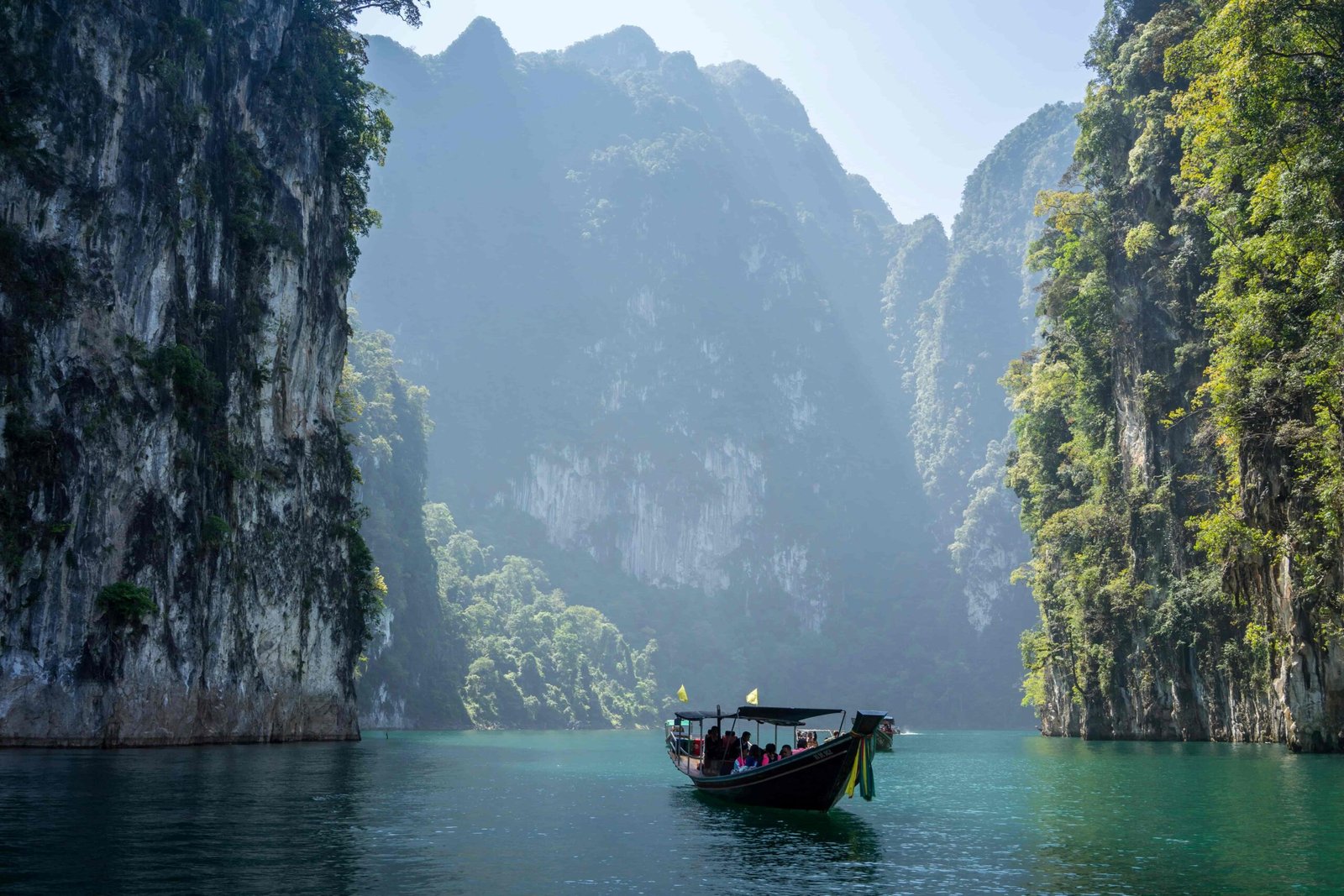
The most useful distinction is not a “best island” ranking. It is a match between the landscape you want and the region that delivers it with the least unnecessary travel. Metro Manila offers urban energy, museums, food, shopping, and convenient international connections. The Cordillera region provides cool mountain towns, rice terraces, and Indigenous cultural landscapes. The Visayas spread across historic ports, coral reefs, limestone formations, and beach destinations. Palawan is associated with long coastlines, lagoons, diving, and island-hopping routes.
| Region | Best for | Typical landscape | Planning consideration |
|---|---|---|---|
| Metro Manila | First-time visitors, food, culture, short itineraries | Historic districts, museums, urban neighborhoods | Use it as an arrival point, then transfer to a region that matches your interests |
| Cordillera Administrative Region | Hiking, cooler weather, rural scenery | Rice terraces, mountain roads, cloud forest | Allow time for winding roads and check conditions after heavy rain |
| Visayas | Beaches, reefs, historic towns, island life | Sandbars, lagoons, old churches, coastal towns | Ferries and small domestic flights can consume substantial travel days |
| Palawan | Scuba diving, kayaking, extended coastal trips | Blue coves, limestone cliffs, forests, coral gardens | Build an open-ended route rather than a tightly timed checklist |
Ask yourself which version of the country you want to remember. If your ideal morning involves coffee in a busy city and your ideal afternoon involves a museum, Metro Manila is a sensible base. If you would rather wake beside the sea and reach reefs by boat, concentrate on the Visayas or Palawan. If mountains, cool air, and roadside markets sound more appealing than beach clubs, look toward Baguio and the Cordillera.
Location is also a matter of time. The Philippines is large enough that two beaches can look similar while requiring a full day of travel. Three days in one Visayas island area is usually more rewarding than three days spent crossing between separate island groups for one photo stop each. Treat transfers as part of the experience rather than assuming they will fit neatly between activities.
City, history, and food: what to see beyond the beach
Many travelers first think of the Philippines through its coastlines, but the cities and older settlements reveal a different side of the country. Metro Manila is a practical place to begin because it combines contemporary neighborhoods with Spanish-era churches, civic spaces, museums, and a wide range of regional food. Rather than trying to cover every district in a short visit, choose one or two areas and use them as a base.
Intramuros is among the best-known historic areas in the capital. Its walled streets, fortified architecture, churches, and museums offer a compact introduction to the city’s colonial history. Pair the visit with a food-focused day instead of treating old architecture as an isolated photo category. Market meals, regional specialties, and cooking experiences can reveal how ingredients and techniques differ across the islands.
Outside Metro Manila, heritage destinations offer a slower rhythm. Vigan in Ilocos Sur is known for preserved urban architecture and cobbled streets. Intramuros, Vigan, and other historic Philippine towns can be understood as living communities rather than museum sets. Dress respectfully at religious sites, keep noise down in quiet neighborhoods, and ask before photographing residents or ceremonies.
A useful first-visit checklist for culture-focused travelers includes:
- Spend a focused half day in Intramuros rather than crossing the city for distant viewpoints.
- Try a market or neighborhood food experience in a place where you can understand ingredients and prices.
- Choose one heritage town outside Metro Manila for an overnight stay.
- Visit museums with an archaeological, artistic, or social theme rather than attempting all institutions.
- Allow a free afternoon for spontaneous streets, viewpoints, and neighborhood cafés.
For a wider catalog by attraction type, the list of tourist attractions in the Philippines groups places under categories such as parks, monuments, churches, cultural landmarks, natural landmarks, and urban architecture. It is most useful as a map of possibilities, not a day-by-day itinerary. Select a handful in the same area rather than trying to reach every category.
Coastlines, reefs, and island escapes: choosing a beach route
The Philippines is famous for clear water, but the best beach trip depends on what you want beyond a swim. Some islands suit divers and snorkelers who value reef access. Others are better for slow beach days, kayaking, or staying near restaurants and other practical services. Some coastal destinations are exposed to strong currents and should not be approached casually.
The Visayas contain several distinct beach experiences. Boracay has a developed resort zone, varied water activities, and straightforward options for travelers who prefer convenience. The smaller islands around Cebu offer access to reefs and protected marine areas, while Bohol combines beaches with inland attractions such as the Chocolate Hills and tarsiers. Negros and other parts of the central Visayas provide combinations of coastal scenery, agriculture, and nature.
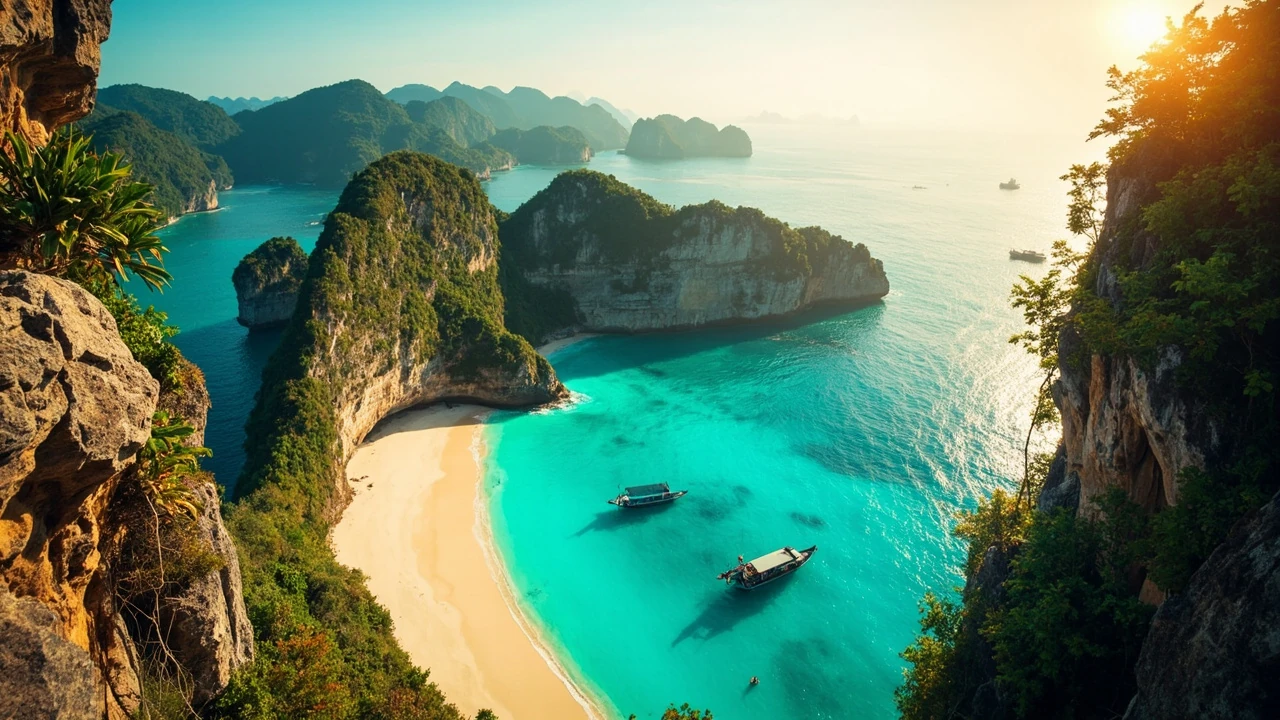
Palawan is often treated as one giant destination, yet its routes differ. El Nido is associated with dramatic limestone scenery and island excursions. Coron has a different appeal, including calm water around bays and a more dispersed collection of visitor activities. Puerto Princesa offers a city base and access to underground river environments, while the farther south includes some of the country’s most remote coastal landscapes.
| Coastal choice | Best for | Strength | Possible limitation |
|---|---|---|---|
| Boracay | Travelers wanting a developed beach resort | Convenient services and varied activities | Less isolated than smaller island destinations |
| Bohol and nearby Cebu islands | Families, mixed beach and inland itineraries | Marine activities and inland sights | Ferries and road transfers may lengthen the day |
| El Nido | Scenic island-hopping and kayaking | Dramatic bays, cliffs, and offshore islands | Weather can affect marine excursions |
| Coron | Calmer bays, lakes, and a slower island circuit | Varied scenery with a relaxed pace | Boat days and road transfers require planning |
| Southern Palawan routes | Experienced travelers seeking remoteness | Longer stretches of coast and marine landscapes | Fewer services and more complex logistics |
When evaluating an island excursion, ask what the weather could do to the trip. Small boats may cancel or change routes when seas are rough. In such cases, a backup activity matters more than squeezing in another tour. Keep a day flexible when the itinerary depends on boats, and avoid booking a nonrefundable flight immediately after an ocean crossing.
The contrast with Costa Rica Landmarks Are Mostly About Nature – and That Is the Point is instructive. In Costa Rica, wildlife and ecosystems often organize the route. In the Philippines, beaches may be the main attraction, but inland towns, farms, caves, forests, and historic sites can give the trip more depth. Choose the combination that feels coherent rather than collecting destinations under a “top places” label.
Mountains, forests, and wildlife beyond the shoreline
The Philippines includes mountain ranges, tropical forests, volcanic landscapes, caves, river systems, and protected habitats. Baguio is the best-known mountain city and serves as a convenient base for cool weather, pine-covered surroundings, and excursions into the Cordillera. The city itself is a destination, but the larger regional appeal lies in its relationship with rural landscapes and mountain communities.
The Ifugao rice terraces offer a focused cultural and landscape experience. Visiting them requires more thought than a brief stop from the city because the area includes several communities and a mountainous road network. A guided visit can explain how the terraces were shaped and maintained, while local homestays provide a more direct connection with the region than a quick day trip from a distant hotel.
Other inland experiences include the Chocolate Hills in Bohol, the underground river near Puerto Princesa, river landscapes in Davao, and wildlife opportunities at recognized conservation centers. These sites are spread across large areas, so even a short visit can involve considerable driving. For additional context, Check each attraction’s current operating arrangements with its official management before leaving your accommodation.
For wildlife, welfare should come before novelty. Choose responsible facilities and avoid attractions that encourage direct contact with wild animals for entertainment. The goal of a nature-focused visit should be to observe natural behavior, understand habitat loss, and support conservation rather than treating animals as props.
Plan terrain realistically:
- Break mountain roads into short travel segments and avoid a full day of transfers followed by a demanding activity.
- Pack shoes with good grip, but leave unnecessary clothing behind in hot, humid conditions.
- Carry a refillable bottle, sun protection, and basic rain protection even when the forecast looks clear.
- Ask local guides about river levels, trail conditions, and seasonal closures before setting out.
- Keep at least one flexible day in mountain or island areas where weather can alter schedules.
Thailand, Vietnam, and other parts of Asia may appear on the same travel wish list, which makes it important to define what makes a Philippine trip different. The defining combination here is not just tropical scenery. It is the meeting of highly visible reef coasts, mountainous interior regions, Spanish and Asian colonial legacies, and an archipelago culture expressed through distinct island communities.
Build a route around ferries, flights, and realistic travel days
The easiest itinerary mistake is treating a map distance as a travel-time distance. A short-looking crossing may involve waiting at a terminal, boarding procedures, a rough sea, a road transfer, and another wait for luggage. A flight may cover a long distance quickly, but airport procedures and transfers to the final island can consume much of the day.
Use a simple calculation for each movement:
- Door-to-door transport time.
- Expected waiting time at an airport, terminal, or port.
- Time needed to reach the departure point from lodging.
- Time needed to reach the next activity from the arrival point.
- A buffer for weather, traffic, or missed connections.
Do not schedule a demanding hike, a large-group tour, or a tightly timed dinner immediately after a long crossing. Ferry schedules and flight timetables change, and cancellations can ripple through the rest of the day. Insurance policies may also treat different transport disruptions differently, so read the terms before relying on reimbursement for a missed connection.
The regional-planning approach in South Japan Feels Like Several Different Countries Packed Together is transferable here. Both destinations reward travelers who recognize that nearby-looking regions can have distinct climates, landscapes, and travel rhythms. The mistake is assuming every destination belongs in one uninterrupted loop.
| Travel day | Realistic activity | What to avoid |
|---|---|---|
| Arrival day | Transfer, check-in, a nearby meal, and a short neighborhood walk | A cross-city tour with several fixed stops |
| Ferry day | One main coastal attraction on the arrival side | Three separate ticketed activities plus a sunset boat trip |
| Flight-and-transfer day | Landscape viewing or one easy attraction | Booking an elaborate tour that starts at the same hour as the flight |
| Final full day | A signature attraction with time for delays | A late-night departure without airport or port buffers |
For a two-week itinerary, a balanced approach may include Manila, the Cordillera, and one island area. For a month, add a second Visayas or Palawan circuit instead of moving every few days. Longer stays allow weather recovery and deeper exploration; they also make it easier to rent a car, hire a guide, or stay in one place long enough to understand its food and daily life.
Prepare for heat, rain, cash, and cultural expectations
The Philippines is hot and humid for much of the year, but rainfall patterns differ across the archipelago. The northeastern part of Luzon experiences a pronounced wet season, while parts of the Visayas and Palawan have different rainy periods. Weather patterns vary from year to year, so a seasonal label should guide—not replace—a current forecast check.
Typhoons can affect flights, ferries, and accommodations across a broad area. Keep travel plans flexible around the typhoon season and follow official advisories if conditions deteriorate. In mountain areas, intense rain can also affect roads, trails, and river activities. Do not continue an itinerary simply because a ticket was purchased or a prepaid activity was advertised.
Cash remains useful in many smaller communities, markets, rural areas, and transport terminals, although card acceptance is more common in larger hotels and established businesses. Use reputable exchange providers, check the amount and rate before accepting cash, and keep an emergency reserve separate from the money you plan to spend on the trip. Small-denomination notes can be useful for port fees, market purchases, and local transport, though availability varies.
Pack for the activities and the route rather than for a generic idea of the tropics:
- Lightweight clothing that dries quickly.
- Sun protection, including a hat and reef-safe sun cover for long boat days.
- A compact rain jacket or umbrella for land travel.
- Waterproof protection for electronics and documents.
- Comfortable footwear for both paved towns and uneven paths.
- Personal medicines and a modest first-aid kit.
- A dry bag for boats, ferries, and sudden rain.
- Copies of key travel documents stored securely.
Respect for local communities is not an extra layer added to a checklist; it shapes the quality of the visit. Dress more conservatively than you would at a beach resort when entering churches, villages, or community sites. Ask before photographing people, especially children and religious ceremonies. Support locally owned accommodation, food businesses, guides, and transport where practical, but negotiate respectfully rather than treating local prices as an invitation to bargain in every situation.
Learn a few Filipino phrases if your itinerary includes smaller communities. Simple greetings and expressions of thanks are appreciated, though English is widely used in tourism and many urban settings. Do not assume that English fluency means every local tradition is easy to access or fully explained by a tour operator.
Plan a balanced itinerary without overpacking it
The strongest itineraries have a clear center and a few supporting experiences. Choosing one region as the center prevents a collection of loosely related stops from becoming a stressful tour. For example, a Palawan-centered trip might combine a few days of marine exploration with a slower coastal town and one cultural or wildlife activity. Manila then serves as an arrival and departure point rather than a compulsory stop between islands.
Use this sequence to turn a long destination list into a workable plan:
- Choose the region that best matches your main travel preference.
- Set a maximum travel duration for the first and last days.
- Group nearby attractions by geographic cluster.
- Add one signature activity for each full day rather than four minor stops.
- Insert one unscheduled or flexible period for weather and delays.
- Remove activities that merely duplicate a beach, reef, or viewpoint experience.
- Reserve enough time at the end for transport to the departure point.
Build the daily plan around energy levels as well as opening times. A full day of island-hopping followed by an early regional flight may be physically demanding. A quiet morning in a coastal town can be as memorable as another boat excursion. Older travelers, families with young children, and travelers with limited mobility should consider the number of steps, boat conditions, and transfer lengths before choosing an itinerary based only on online photographs.
Bookings also deserve a hierarchy. Flights and accommodation for peak travel days may merit advance attention, while many restaurants and local activities can be arranged later if the area has sufficient capacity. Verify ferry tickets and attraction availability through their official channels, and keep confirmation details accessible without a reliable connection. Wherever possible, arrange bookings so a delayed morning does not cost an entire day.
Finally, leave room for the unplanned. Weather can redirect a boat route. A market may be more compelling than a scheduled viewpoint. A neighborhood café may become the place you remember most clearly. Philippines tourist spots are memorable not only because of dramatic scenery, but also because of the transitions between them: a market before a ferry, a shared meal after a long drive, or a quiet evening away from the busiest tourist areas.
Frequently asked questions
What are the best philippines tourist spots for a first visit?
The best choice depends on your priorities. Metro Manila is the most practical starting point for a short trip, while the Visayas and Palawan are stronger choices for beaches and marine activities. The Cordillera suits travelers who prefer cooler weather, mountain scenery, and rural cultural experiences. First-time visitors often benefit from choosing one main region rather than racing between Manila, Luzon, and Palawan.
How many days are enough to visit the Philippines?
A week works well for one region or a short multi-region introduction, but travel days count against that time. Ten to fourteen days allows a more comfortable combination of Manila, the Cordillera, and an island area. A month is more suitable for several Visayas destinations or a deeper Palawan route. The best duration depends more on the number of transfers than the number of attractions listed.
Is the Philippines better for diving or snorkeling?
Both activities are possible because the country has extensive coral coastlines, but preferences matter. Divers may prioritize established reef sites, access to boats, and suitable certification. Snorkelers can often get a useful view of shallow reefs with less equipment and training. Conditions vary by site, season, and recent weather, so ask a reputable local operator about the actual conditions and your experience level.
What is the best time to visit the Philippines?
The answer depends on the region and the activities you prioritize. Rainfall patterns differ across the archipelago, and weather systems can change travel plans at any time. For a trip centered on one area, compare the current forecast with the normal seasonal pattern. Avoid committing to several fixed outdoor events too quickly, and keep at least one flexible day when your route depends on boats or exposed coastal roads.
Do I need to visit Manila if I am going to Palawan or the Visayas?
Not always. If your total travel time is limited, you can concentrate on one island region and minimize long transfers. Manila becomes more useful when your international arrival or departure requires a hotel stay, when you want museums and a broad food experience, or when your itinerary includes Luzon destinations. It can also serve as a safe, straightforward entry point before continuing to a rural or island circuit.
Are ferries safe and comfortable for tourists?
Major routes operate with varying classes of vessels, and comfort, speed, and departure times differ. Operators generally provide basic safety equipment, but conditions can become rough during severe weather. Choose a reputable booking channel, follow current terminal instructions, bring water and a light layer, and avoid alcohol before a long crossing. Do not board when local authorities issue a suspension warning.
Should I use a tour or explore the philippines tourist spots independently?
Both approaches work in different places. Guided activities are especially useful for remote reefs, mountain villages, protected areas, and routes with complicated access. Independent travel is often better for city neighborhoods, markets, established coastal towns, and attractions where you can comfortably navigate public transportation. Research the day’s logistics yourself, and use a guide where local knowledge materially improves safety or access.
What should I pack for an island-hopping trip?
Pack light, breathable clothing, sun protection, swimwear, waterproof phone protection, and a dry bag. Bring comfortable shoes for land transfers as well as reef-safe sun cover for long periods on the water. A light rain layer is useful, and motion sickness medication may help on rougher crossings. Keep personal medicines in your carry-on rather than in checked luggage transferred between vessels.
How much money should I bring to the Philippines?
There is no useful single amount because costs vary sharply between luxury resorts, simple accommodation, restaurants, islands, and remote areas. Set a daily budget after choosing a region and accommodation level, then add money for transfers, island tours, entrance fees, and a contingency reserve. Keep some cash for smaller businesses and communities where cards may not be accepted. Confirm current prices directly rather than relying on an old travel budget.
What is one common mistake first-time visitors make?
The most common mistake is trying to see too many regions in too little time. Long transfers leave little time for the places already chosen, and one delayed flight can disrupt the rest of the itinerary. Choose a clear geographic cluster, keep travel days light, and treat one region as the main trip. The result is usually less movement, better pacing, and more time for the places you actually reached.



Leave a Reply