
Thailand tourist attractions: how to choose the right ones for your trip
A first visit to Thailand can become a blur of temples, beaches, night markets, and island-hopping plans if every famous place feels equally urgent. The better approach is to choose a small number of experiences that match your interests, then group them by the region where they make the most sense. Bangkok rewards urban explorers, the northern mountains suit slower cultural trips, and the southern coasts are ideal for travelers who want to trade museums and traffic for water, islands, and warm weather. You do not need to collect every postcard landmark during one journey.
Before comparing individual sites, decide how much of your trip you want to spend moving. A flight from Bangkok to Chiang Mai may save valuable days, but it also turns a short holiday into a series of transfers. Staying in one region usually creates more time for spontaneous meals, neighborhood walks, and unhurried viewpoints. Choose two anchor regions rather than four if your trip lasts less than two weeks.
This guide organizes the most useful Thailand tourist attractions by region, travel style, access, and the experience they deliver. It also identifies realistic trade-offs, including crowded arrival points, long transfers, seasonal weather, and sites that are better as short stops than full-day destinations.
Choose Bangkok, the north, or the south according to your travel style
Thailand is geographically varied, and the distance between its major regions changes the pace of a vacation. Bangkok and the central plains are convenient for a first visit because major historical sites, markets, and well-connected transport are concentrated there. Chiang Mai and the northern highlands offer temples, mountain scenery, and a cooler atmosphere. The southern provinces serve travelers looking for beaches, diving, kayaking, and island landscapes.
A tourist attraction can be a beach, historic monument, museum, religious site, performance, market, or cultural neighborhood. That broader definition explains why the most memorable stops often extend beyond a famous ruin or viewpoint. A morning temple visit, an afternoon cooking class, and an evening market may deliver more insight than three more landmarks checked off in a single day.
Use the following comparison to set a realistic geographic direction for your first trip.
| Region | Best for | Typical pace | Main advantage | Main constraint |
|---|---|---|---|---|
| Bangkok and central Thailand | First visits, food, history, shopping, nightlife | Busy and convenient | Many major sights are close together | Traffic, heat, and large crowds |
| Chiang Mai and northern Thailand | Culture, mountains, temples, slower travel | Relaxed but spread out | Strong mix of heritage and outdoor activities | Seasonal burning season can affect air quality |
| Andaman coast | Climbing, diving, beaches, marine life | Relaxed on islands, active inland | Easy transition between water and jungle activities | Ferries, monsoon rain, and exposed travel |
| Gulf Coast | Easygoing beaches, food, wellness, family travel | Resort-oriented or flexible | Calmer island atmosphere for many travelers | Some beach areas are spread far apart |
For first-time visitors who want a balanced introduction, a practical split is three or four nights in Bangkok followed by three or four nights in Chiang Mai. Add the southern coast only when the total trip length is long enough to justify the flight. For travelers with more time, selecting Bangkok plus either the north or the south creates a clearer trip than a fast nationwide loop.
The formal concept of a tourist attraction includes natural beauty, historic places, cultural events, museums, public art, and local food experiences. That distinction matters in Thailand because the country’s strongest travel moments often combine a site with a ritual, meal, market, or neighborhood rather than offering the attraction as an isolated stop.
Bangkok and central Thailand: select the city’s most rewarding stops
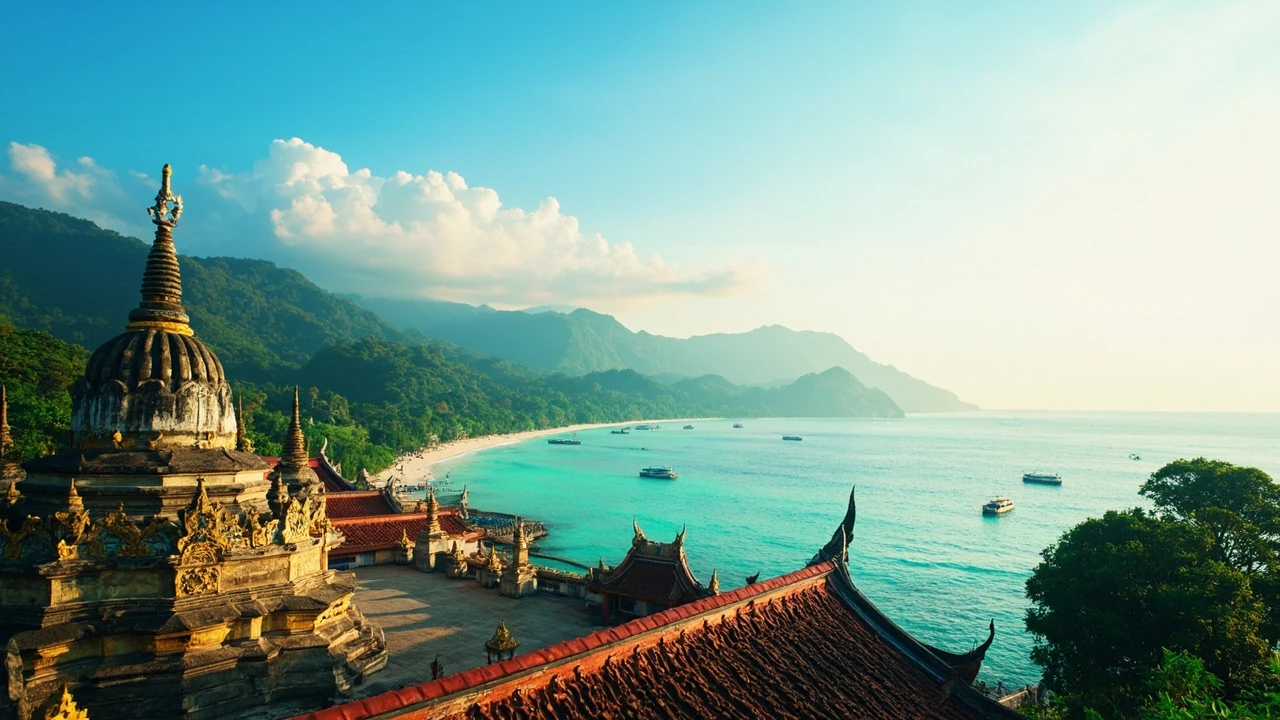
Bangkok rewards travelers who plan by area instead of attempting to reach every landmark in a day. The Grand Palace and Wat Phra Kaew form one major historical and religious complex in the old city. Wat Arun sits across the river and makes a good pairing, especially early in the day or near sunset. For a slower cultural visit, consider the Jim Thompson House, where period interiors provide context about Bangkok’s development and collecting culture.
Markets are not merely places to buy souvenirs. Chatuchak offers a broad browsing experience, while Wang Lang Market and several specialized food streets are more convenient for travelers who want to sample dishes without committing an entire day to a large market. Talad Rot Fai adds a different setting and atmosphere around its evening food stalls and used goods. Choose one market based on what you want to do rather than trying to visit all three.
The river and canal systems offer another way to understand the city. A public boat ride can connect the central waterfront to river-facing neighborhoods, while a guided canal tour adds context about how water shaped settlement and commerce. These experiences are usually more informative than a short ferry crossing alone.
For art, the contemporary galleries clustered around Charoen Krung and Silom can fill a half-day. Museum visits near the Grand Palace may fit better for travelers interested in Thai history and regional art. The practical decision is whether your day should center on living street culture, formal history, or architecture.
Central Thailand also extends the trip beyond Bangkok’s traffic. Ayutthaya preserves the remains of a former capital through temples, palaces, and reconstructed structures. Sukhothai emphasizes sculpture, cycling routes, and a more spacious archaeological landscape. The two destinations are often discussed together, but a single well-planned visit is easier than combining them with a packed Bangkok schedule.
- Bangkok history day: Grand Palace, Wat Pho, a river crossing, and a canal-side walk.
- Bangkok culture day: a house or art museum in the morning, a market meal, and an evening performance.
- Central history extension: stay two nights near Ayutthaya instead of making a rushed day trip from the capital.
- Slow alternative: choose Sukhothai when cycling, temples, and less urban intensity matter more than convenience.
Give Bangkok at least three full days. One day is often consumed by arrival and orientation, while another can absorb a delayed plan or an attraction you decide to revisit. A shorter stop works better if you are combining the city with another region and have already identified your priorities.
Northern Thailand: pair heritage with mountain landscapes
Chiang Mai’s appeal comes from the combination of a walkable historic center, temple architecture, markets, and easy access to the surrounding highlands. Wat Chedi Luang, Wat Phra Singh, and other notable temples can be visited over a full day, but opening hours, dress requirements, and active religious use deserve respect. Modest clothing and quiet behavior matter more than squeezing every site into one morning.
Outside the city, Doi Inthanon is a popular day or overnight destination with mountain scenery, waterfalls, trails, and a pagoda complex. The journey takes time, and conditions can change with weather, so it is not equivalent to a quick urban attraction. Doi Suthep is more accessible and can be combined with a quieter temple visit, though popular periods bring heavy traffic.
Travelers looking for a slower and more nature-focused route can explore national parks and rural areas farther north. These places reward flexibility because trail conditions, heat, and park rules affect the day. A local guide can add context to ecology and local livelihoods, while a self-guided visit gives independent travelers more control over the pace.
The season matters more in the north than in a generic destination checklist. Rain can make trails slippery, while the agricultural burning season can create smoke haze, particularly in the early part of the year. Check current regional air-quality and park information before committing to long hikes. If conditions are poor, substitute a cooking class, a craft workshop, a museum, or a day in a smaller nearby town rather than treating poor visibility as a reason to drive through it.
Many travelers combine Chiang Mai with Pai, Mae Hong Son, or other northern towns. That works well when they want several days of scenery, roads, and quiet stays. Those routes are not day-trip detours. Distance, winding roads, fuel stops, and the possibility of rain make them better as a separate leg of the journey.
| Northern experience | Time to reserve | Best season to plan | What it suits |
|---|---|---|---|
| Chiang Mai temples and old city | Two days | Check current weather and regional haze | Culture, food, short walks, flexible travel |
| Doi Suthep | Half day | Cooler or drier conditions | A manageable first mountain outing |
| Doi Inthanon | One or two days | Good trail and weather conditions | Nature, waterfalls, mountain views |
| Pai or Mae Hong Son | Three days or more | Plan around the northern travel season | Road trips, rural scenery, slower stays |
Choose the north when your ideal day includes a temple in the morning, a café or market meal, a short drive to a viewpoint, and enough time to watch the light change. It is less suitable for travelers who want to maximize resort time or minimize journeys between destinations.
Southern beaches and islands: compare the coast before booking
Thailand’s southern tourism choices are not interchangeable. The Andaman coast, including Krabi, Phang Nga, and the islands reached from Krabi, is known for limestone scenery, diving, climbing, and kayaking. The Gulf Coast around Samui, Ko Pha Ngan, and Ko Tao has a different island rhythm, with beach resorts, snorkeling, wellness travel, and a distinct food scene. Phuket functions as a transport hub and has attractions beyond its beaches, but it can also feel crowded during popular travel periods.
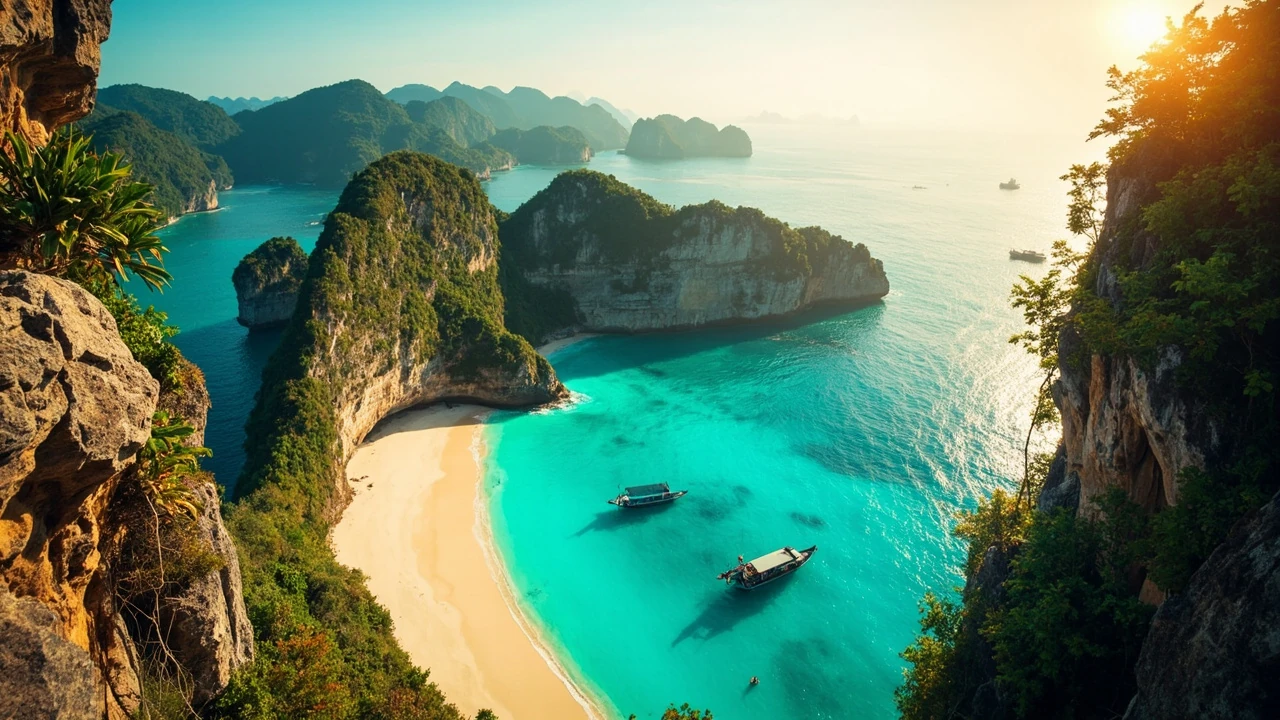
On the Andaman side, Railay is a major climbing center with a concentrated set of routes and a lively beach scene. Boat trips from Krabi can reach islands such as Ko Phi Phi, but day-trip itineraries vary in timing and conditions. Maya Bay has visitor restrictions designed to protect the bay, so travelers should consult current official information rather than relying on older photographs or social posts. A snorkeling or kayaking trip may be just as memorable without trying to enter a restricted beach.
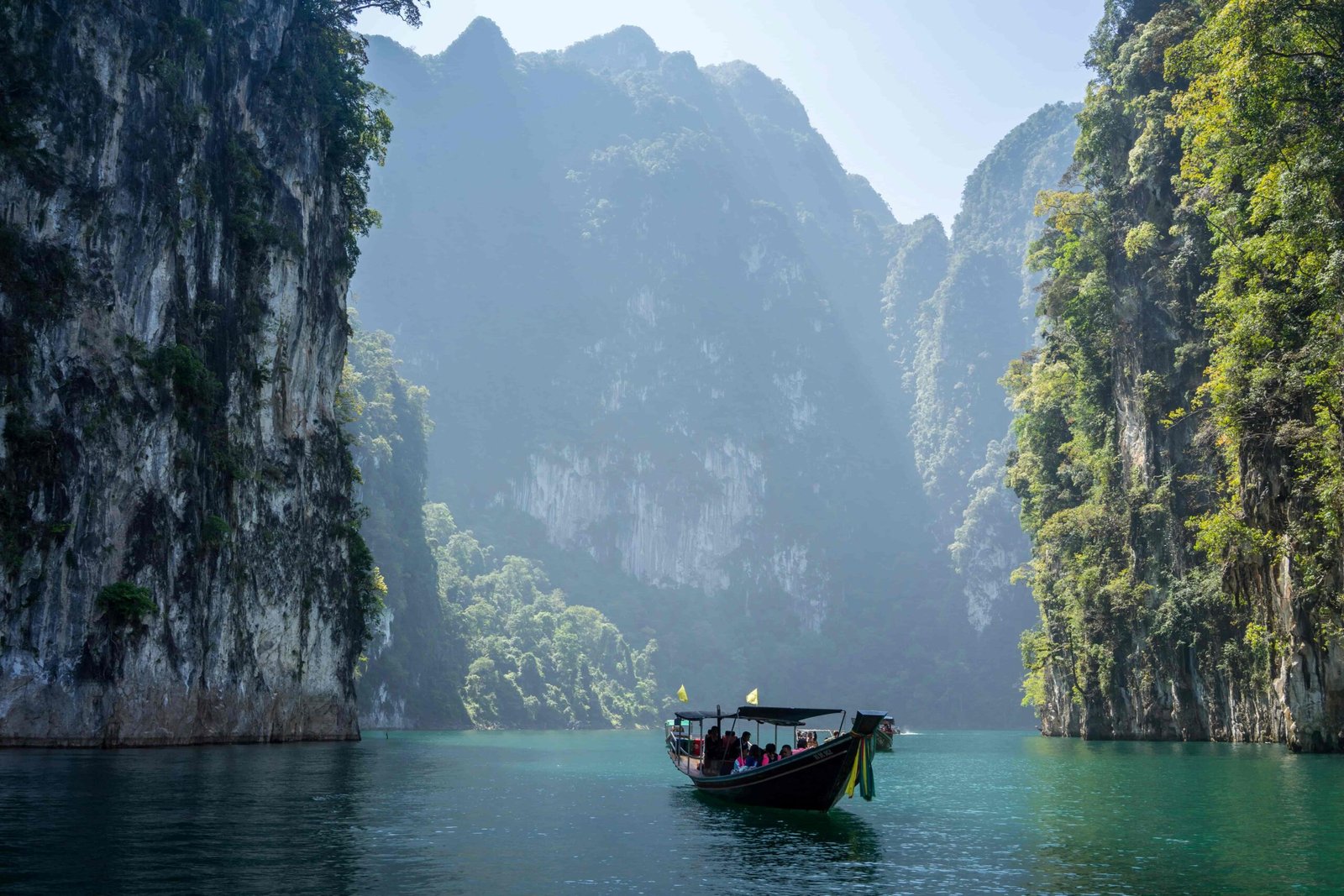
Phang Nga Bay National Park deserves time of its own for karsts, caves, and boat travel. This is not a quick swim-and-return excursion. Weather, sea state, and access can shape what operators are able to offer, so the right plan is the one that matches conditions on the day.
Farther south, Koh Samui suits travelers who want to combine beaches with food and motorbike exploration, although road conditions vary. Ko Pha Ngan is known for a more developed party and resort atmosphere, while quieter coves can be found away from the busiest centers. Koh Tao is strongly associated with diving and has a reputation for a slower pace, but island access and availability should be checked for the dates you plan to visit.
The table below clarifies the main southern trade-offs.
| Southern base | Core appeal | Choose it if | Watch for |
|---|---|---|---|
| Krabi | Climbing, kayaking, island access | You want active days and varied excursions | Boat transfers, weather cancellations, and busy tour zones |
| Phang Nga | Karsts, caves, marine scenery | Nature and boat travel are priorities | Long transfers and the need to check current park rules |
| Ko Samui | Beaches, food, road trips | You want a flexible resort-and-nature mix | Traffic, inconsistent road conditions, island hops |
| Ko Pha Ngan | Beaches, restaurants, nightlife | You want an active social trip | Crowding and noise in the busiest areas |
| Ko Tao | Diving, snorkeling, quieter atmosphere | Underwater time matters more than a packed schedule | Ferry planning and seasonal marine conditions |
Do not plan every southern day around a boat. Ferry crossings, kayaking, snorkeling, and short cruises each require different preparation, and weather can interrupt the sequence. Build one flexible day into the itinerary so the group can reschedule an excursion without losing the trip.
Cultural and scenic stops beyond the major headline attractions
Thailand’s smaller attractions can reveal the country more clearly than a checklist of the best-known temples. In Chiang Mai, craft workshops provide a practical introduction to materials and regional techniques. In Ayutthaya, bicycle routes allow visitors to move between temple complexes at a human pace. In Bangkok, neighborhood food walks and small house museums show how the city lives beyond its monumental landmarks.
Gardens and animal-related attractions also vary widely in scale. A botanical garden may appeal to travelers who want a quiet break between urban stops. Ethical wildlife encounters should be evaluated carefully: the setting, species, activity, and welfare of the animals matter more than the number of photos. A venue that permits close interaction or performances may create a memorable image while raising questions about how animals are kept.
Historical towns and river communities can add depth, but transport details determine whether they feel worthwhile. A town two hours away by car may be a meaningful overnight destination but a poor stopover. Before adding one to your route, check the door-to-door travel time, the number of transfers, and what you can realistically see without rushing.
Night markets and food districts deserve time beyond the first evening. Arrive hungry, eat in small portions, and pay attention to how vendors specialize by stall rather than ordering everything at once. If you want to buy crafts, learn whether the workshop, gallery, or market is the best place to understand the item. That small research step often produces better purchases and more direct contact with makers.
For national park and protected-area visits, use official park or management information to confirm access, permits, and trail conditions. Facilities can be limited outside developed areas, and visitor behavior has a real effect on erosion, wildlife, water quality, and crowding. Staying on established routes, carrying out waste, and avoiding wildlife disturbance are simple requirements with meaningful results.
How to build an itinerary that does not feel rushed
A workable itinerary assigns a purpose to each day and leaves room for meals, transfers, rest, and changes in weather. The number of stops matters less than the number of major transitions. Two well-spent days in a smaller town can be more rewarding than a day spent crossing the country to collect distant sights.
Begin with arrival logistics. Research the airport or border connection, the likely travel time to your first base, and the effects of jet lag. Do not schedule an elaborate excursion on the assumption that a delayed flight will not matter. The first day should be simple enough to recover while still providing a sense of the destination.
- Choose the first base carefully. Pick a city or beach where you can arrive without another long transfer.
- Set one theme per day. Choose history, food, nature, or an active excursion instead of adding unrelated stops.
- Group nearby places. A full day in one region usually creates a better experience than two rushed stops separated by hours.
- Protect a rest day. Pool time gives you room to repeat a favorite place or respond to conditions on the ground.
- Reserve only the activities that require advance arrangements. Keep the rest of the schedule adjustable.
- Move once or twice in a longer trip. Multiple internal flights can consume savings that would be better spent on longer stays.
Three model itineraries illustrate how the same destination list can produce different trips.
| Trip length | Balanced structure | Best for |
|---|---|---|
| Five to seven days | Three or four nights in Bangkok, then two or three nights in the north or south | First-time visitors who need both concentration and variety |
| Ten to fourteen days | Four days in Bangkok, four in Chiang Mai, and four along one southern coast | Travelers with time for three distinct experiences |
| Three weeks or longer | Two regions followed by a slower third base with fewer transfers | Independent travelers who want depth without constant movement |
Transport time should be measured in hours of your day, not just distance on a map. A flight can appear efficient but still involve check-in, ground transfers, waiting, and a transfer to the final base. A night train or long-distance bus may suit some routes better, while remote areas can require connections that are difficult to predict. Compare the full door-to-door experience before deciding.
Use the official Thailand tourism authority information to develop a short list, then confirm individual site details with the relevant official source. This approach helps separate broad inspiration from the practical information needed for a particular visit.
Prepare for heat, rain, crowds, and cultural expectations
Thailand’s climate varies by region, but heat and humidity can make an ambitious walking schedule uncomfortable in many months. Carry water, protect yourself from sun, and place outdoor sights earlier in the day when practical. Lightweight clothing is useful, but religious sites may require covered shoulders and knees. Shoes that can be removed easily will save time at temples and homes.
Rain can affect waterfalls, trails, visibility, and boat excursions. Keep indoor alternatives nearby, especially if you are traveling during a season with frequent storms. Tropical downpipes may be intense, so a compact umbrella may not always be the most useful item. Check conditions before setting out on exposed routes or entering small boats.
Crowds are concentrated rather than evenly distributed. Major landmarks, ferry terminals, and popular viewpoints can be busiest during the middle of the day and on weekends or holidays. Arriving early helps with both congestion and heat. At religious sites, follow posted rules, avoid blocking worshippers, and do not treat every activity as a photo opportunity.
Health and safety planning should be specific to the activities on your itinerary. Reef-safe sun protection matters for swimmers and divers. Trail conditions matter for hikers. Road conditions matter for scooter riders, and a valid helmet and proper insurance are more important than a convenient photograph. The official Thailand tourism authority and current government travel guidance are useful starting points, but travelers should also check local conditions.
- Keep copies of passport details, emergency contacts, and insurance information accessible offline.
- Pack breathable clothing, reliable sun protection, and footwear appropriate for uneven temple grounds.
- Carry a small amount of local cash for places that do not accept cards, while reducing the need for it by using reputable ATMs.
- Research dress requirements for temples, beaches, clubs, and accommodations before departure.
- Confirm whether an activity requires advance booking and whether changing weather affects its availability.
Do not rely on old prices, opening hours, visa rules, or transport schedules from an earlier traveler’s report. Requirements and operating conditions change. Check current information for your nationality, travel dates, and exact destination close to departure.
A practical checklist for choosing the right places
Start by ranking the kinds of experiences you want, not by the number of famous sights. If your priority is food, build more days around markets, cooking classes, neighborhoods, and regional meals. If history drives the trip, allow generous time for Bangkok and one former capital. If diving is central, choose the coast around that activity rather than adding the beach as an afterthought.
Next, check access. Some spectacular places are easy to reach but difficult to experience because of crowds, limited parking, or restricted entry. Others require early starts and half-day transfers. A destination with fewer headline sites may be the better choice if it fits your interests and offers enough variety for several days.
Create a “must do” list of no more than six or eight experiences, then add a second tier of alternatives. Use the alternatives when a site is closed, conditions are poor, or a booking falls through. This prevents a single disruption from damaging the entire itinerary.
Ask two questions before adding any transfer or excursion: What does it add to the trip, and how long is it from my current base? If the answers are weak, keep the day slower. A unplanned afternoon can become a market visit, a neighborhood meal, a swim, or a rest that makes the next day better.
Finally, travel ethically enough to improve the place you are visiting. Support local guides and businesses where practical, follow protected-area rules, keep noise down in residential areas, and avoid turning religious or community spaces into entertainment. Responsiveness to local customs is not a side detail. It is part of the attraction experience.
Frequently asked questions
What are the best Thailand tourist attractions for a first visit?
For a short first trip, prioritize Bangkok’s major historic and cultural sights, one nearby historical destination, and one contrasting region such as Chiang Mai or the southern coast. This gives you cultural depth and variety without turning every day into a transfer. Add famous islands only after confirming ferry, weather, and access details.
Which part of Thailand is best for beaches?
The Andaman coast suits travelers interested in climbing, kayaking, snorkeling, and dramatic island scenery. The Gulf Coast is often better for flexible resort stays, food-oriented travel, wellness, and a livelier social atmosphere. Your preferred pace and the time available for ferries matter more than a general ranking.
How many days should I spend in Bangkok?
Most first-time travelers benefit from at least three full days. That allows one day for major royal and historic sites, one for markets and neighborhoods, and one for museums, river travel, or a slower personal favorite. Four days or more is useful if you also want nearby historical sites or a flexible arrival day.
Is Chiang Mai or the southern coast better for a two-week trip?
Choose Chiang Mai if you prefer temples, mountains, food, crafts, and a slower pace. Choose the southern coast if diving, boating, beaches, and island activities are your main priorities. For a two-week trip, you can also spend most of the time in one region and use the remainder for Bangkok rather than rushing between both.
Can I visit major islands as day trips?
Some can be visited on organized day trips, but conditions vary by season and operator. Island transfers can involve long boat or ferry journeys, and weather may cause changes. Confirm the return time, cancellation terms, included equipment, and actual island access before booking. A slower overnight stay may suit you better if you dislike early mornings and crowded boats.
What should I wear when visiting temples in Thailand?
Wear clothing that covers the shoulders and knees and can be removed easily. Shoes must usually be taken off before entering many temple buildings. Specific sites may have additional rules, so check current guidance for each location. Lightweight long layers can keep you prepared for both heat and stricter dress expectations.
When is the best time to visit northern Thailand?
The best period depends on the activities you prioritize and the current conditions each year. Cooler weather can make mountain travel more comfortable, while rain affects trails and waterfalls. Because regional haze can also occur during the agricultural burning season, check air-quality reports close to travel and keep alternatives for days when visibility is poor.
How should I plan a Thailand trip with limited time?
Use one main base, one regional excursion, and one flexible day. Avoid a checklist that requires daily flights or long road transfers. Book only activities that genuinely require advance arrangements, group nearby attractions by theme, and check door-to-door travel times. Before departure, revisit current entry, health, weather, and site information for your exact dates.



Leave a Reply